.png)











Raising a BIPOC Child In Todays' Society

"Raising a BIPOC Child: Nurturing Identity, Embracing Diversity, and Building a Supportive Community. Discover Essential Tips for Parents to Help Their Children Thrive in a Safe, Inclusive Environment!"

Raising a child can be a challenging yet rewarding experience, but raising a BIPOC (Black, Indigenous, and People of Color) child can come with its own unique set of challenges. As a parent, it's important to create a nurturing and inclusive environment for your child, one that allows them to embrace their identity, culture, and heritage. Here are some tips to help you raise a happy and healthy BIPOC child:
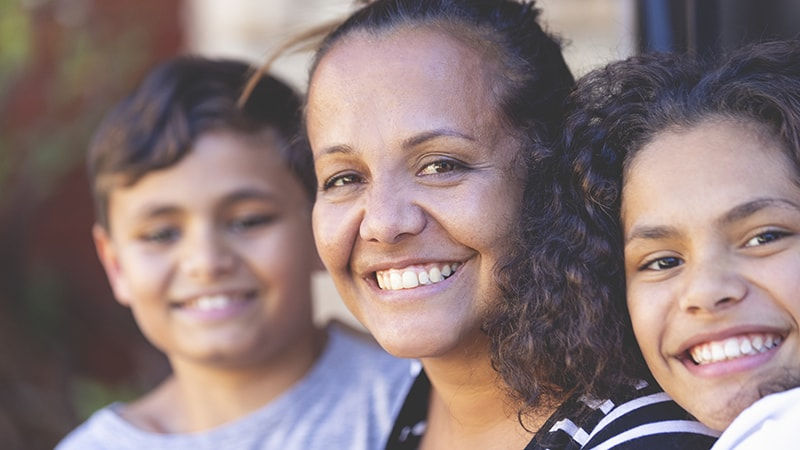
1. Celebrate your child's identity: Your child's racial and cultural identity is a fundamental part of who they are. Celebrate and validate their identity, and make sure they feel proud of who they are. Talk to them about their heritage, culture, and history, and help them understand how they fit into the broader community.
2. Expose your child to diverse experiences: It's important for your child to be exposed to a range of experiences and perspectives. This can include reading books by BIPOC authors, watching movies and TV shows with diverse casts, attending cultural events, and participating in community activities that celebrate diversity.
3. Encourage open and honest communication: Encourage your child to express their feelings and thoughts, and create a safe and supportive space for them to do so. Encourage open and honest communication, and listen actively to what your child has to say. Be responsive and empathetic, and help your child develop healthy coping mechanisms to deal with difficult emotions.
4. Teach your child about racial justice and equality: Teach your child about the history of racial injustice and inequality, and help them understand the ongoing struggles that BIPOC communities face. Encourage your child to speak up against racism and discrimination, and teach them to be an ally to others who are marginalized.
5. Build a supportive community: Building a supportive community is crucial to raising a BIPOC child. This can include connecting with other BIPOC families, joining support groups, and working with local organizations that promote racial justice and equity. Building a supportive community can help your child feel connected and empowered, and provide them with the resources they need to thrive.
6. Practice self-care: Raising a BIPOC child can be emotionally and mentally taxing. It's important to prioritize your own self-care, so you can be present and supportive for your child. This can include seeking therapy or counseling, taking time for yourself, and practicing healthy coping mechanisms.
In conclusion, raising a BIPOC child requires intentionality and effort, but it's also a rewarding experience that can help your child develop a strong sense of self and a deep appreciation for their culture and heritage. By creating a nurturing and inclusive environment, exposing your child to diverse experiences, and building a supportive community, you can help your child thrive and grow into a confident and resilient adult.

Comments